




We help New Jersey businesses grow through clear strategy, consistent execution, and results you can measure every single month.
Find out exactly what's holding your site back from ranking.
Request Your AuditIf you’ve spent any time trying to grow your website’s visibility, you’ve almost certainly heard the term “on-page SEO.” It gets thrown around a lot sometimes correctly, sometimes not. And when people misunderstand what it actually covers, they end up optimizing the wrong things, ignoring the right ones, and wondering why their rankings aren’t moving. Let’s clear it up.
What On-Page SEO Actually Is
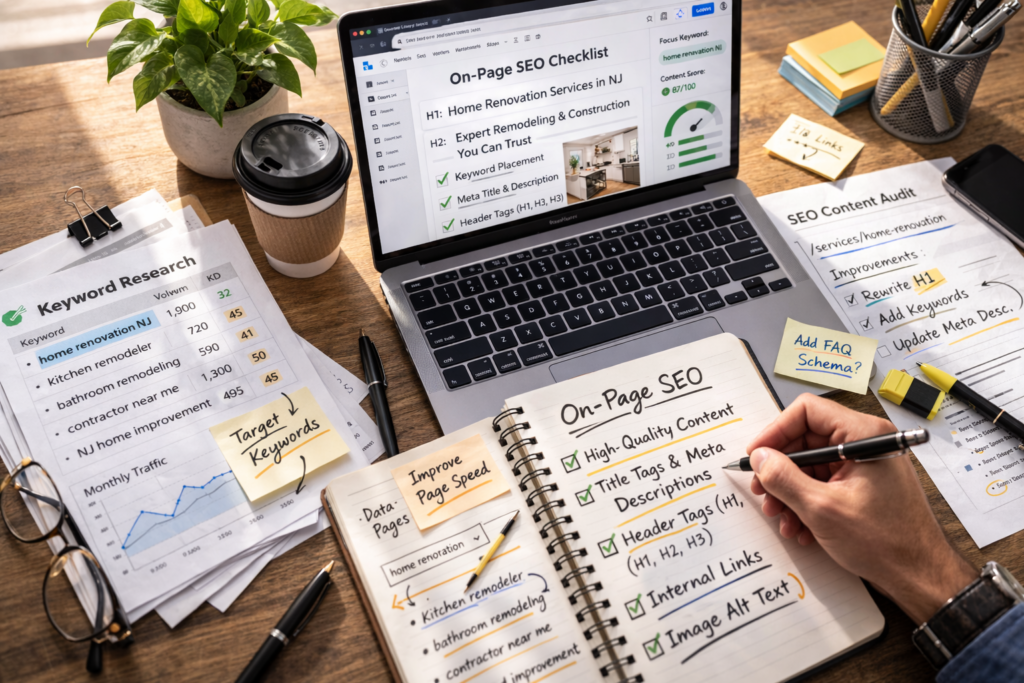
On-page SEO refers to everything you control directly on a web page to help search engines understand your content and help users find exactly what they’re looking for. Think of it as the work you do inside your own pages, not off them.
It’s the most hands on, concrete form of SEO. You own it completely. No outreach required, no waiting for other websites to link to you, just deliberate decisions made on every page you publish.
Title Tags
Meta Descriptions
Header Tags (H1–H3)
Content Quality
On-page SEO isn't about stuffing keywords. It's about creating content that genuinely answers what a searcher is looking for, comprehensively and clearly.
URL Structure
Core Web Vitals
How fast your page loads, how visually stable it is, how quickly it responds, these are on-page factors you control and Google uses to rank your pages.
Internal Linking
Schema Markup
Structured data tells search engines exactly what type of content is on your page - enabling rich results like stars, FAQs, and events that dramatically lift click-through rates.
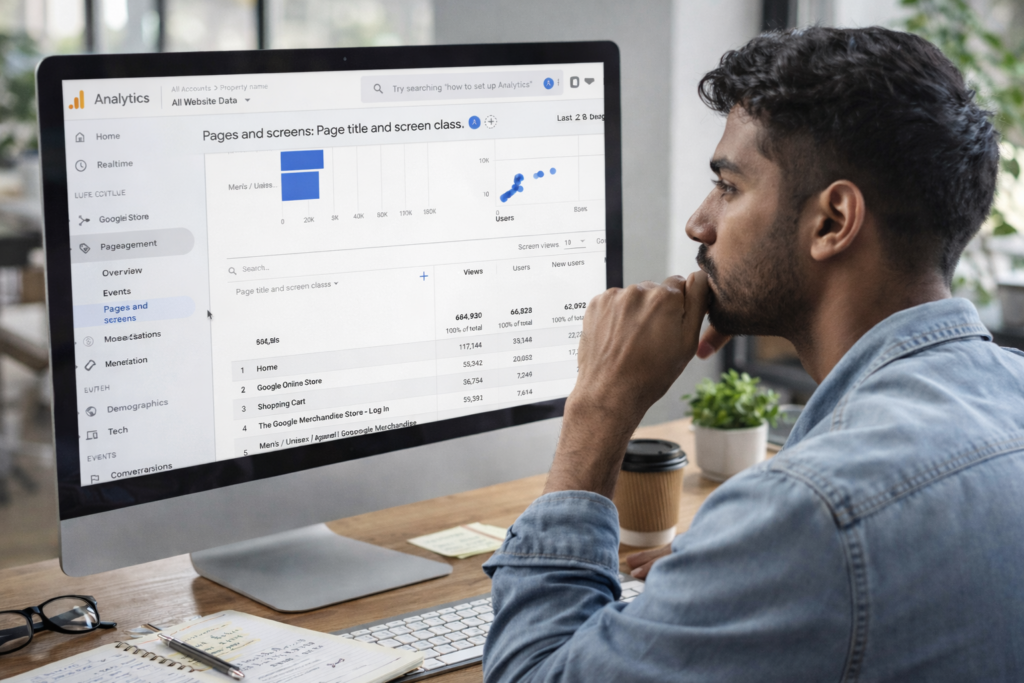
The best on-page SEO is optimized for people first. If your page is genuinely useful, well-organized, fast, and easy to read, it will tend to perform well in search too.
What On-Page SEO Is NOT
This is where a lot of confusion and wasted money creeps in. Knowing the boundaries of on-page SEO is just as important as knowing what belongs inside them.
Not the Same as Technical SEO
Technical SEO deals with how your site is built and crawled like XML sitemaps, robots.txt, site architecture, crawl budget, canonicalization, indexability. These happen at the site level, not the page level. Closely related, often overlapping, but a distinct discipline.
Not Link Building
Earning backlinks from other websites is called off-page SEO. On-page SEO has nothing to do with what other sites do, it’s entirely in your own hands. The two work together, but they’re separate practices with different processes.
Not Social Media Marketing
Your Facebook reach, Instagram followers, or LinkedIn posts are not on-page SEO. Social signals may have indirect effects on visibility, but they are not on-page factors and should never be confused with them.
Not Keyword Research
Keyword research is the input to on-page SEO, the work you do to figure out what terms to target. On-page SEO is what you do after that research, when you’re actually building and optimizing the page around those terms.
Not a One-and-Done Task
On-page SEO isn’t something you do once at launch and forget. Pages need to be revisited as search trends evolve, as competitors improve their content, and as your business changes. Regular audits and updates are part of the job.
Not Just for Search Engines
Trying to game the algorithm without building real value is a short-term play with long-term consequences. On-page SEO done right serves your visitors first and rankings follow from that.
Why It Matters for Your Business
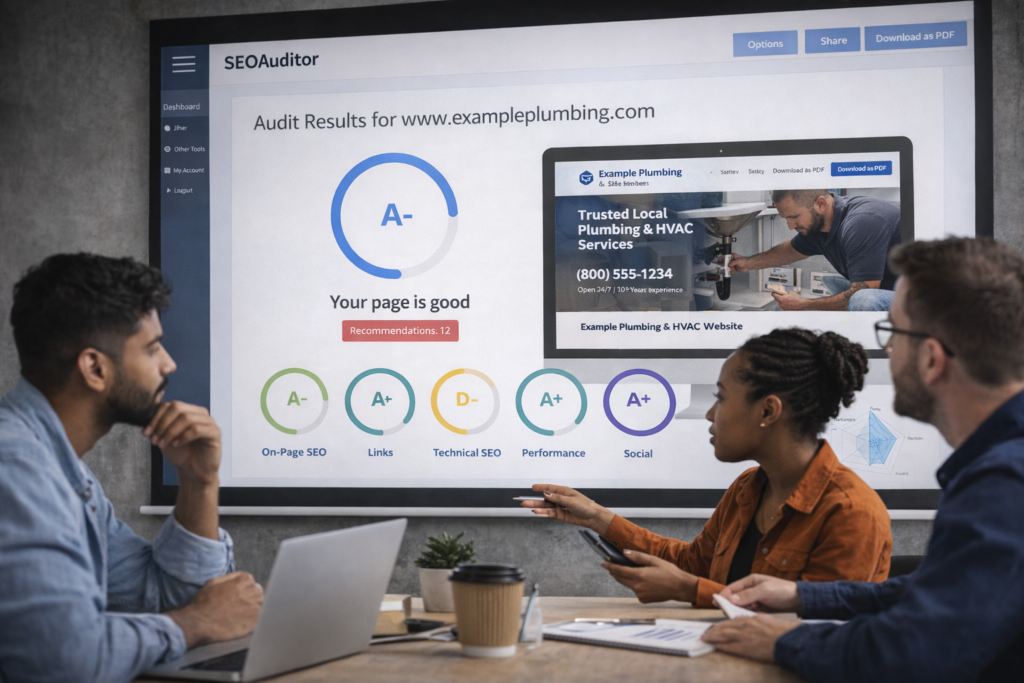
On-page SEO is the foundation that everything else is built on. You can earn a thousand backlinks, but if your page is poorly structured and doesn’t match what the searcher actually wants, you won’t rank and even if you do, you won’t convert.
You can publish great content, but if your title tags are vague and your URLs are a mess, you’re making it harder for both users and search engines to find and trust you. Getting this right doesn’t require tricks. It requires understanding your audience, creating content that genuinely serves them, and presenting it in a way that’s clear, fast, and easy to navigate.
That’s the work. It’s not glamorous, but it’s what separates businesses that quietly dominate their search results from ones that keep wondering why their traffic won’t move.
- Key Takeaways
- The best on-page SEO serves readers first. Rankings follow from genuinely useful, well-structured content.
- It is not the same as technical SEO, link building, social media, or keyword research. Remember each is a separate discipline.
- On-page SEO covers everything you control directly on a page like title tags, headers, content, URLs, internal links, and more.
- On-page SEO is never finished. Pages need to be revisited as search trends and competitors evolve.